


Converting a Grill Between Natural Gas and Propane
This question comes up constantly in Las Vegas, usually in one of two situations: someone has moved into a house with a natural gas stub and owns a propane grill, or someone has bought a grill online in the wrong fuel configuration and is hoping it is a quick fix.
Sometimes it is straightforward. Sometimes it is impossible. And it is never genuinely a do-it-yourself job, for reasons worth understanding rather than just being told.
What actually differs between the two
Natural gas and propane are not interchangeable fuels, and the difference is not just the tank.
- Energy density. Propane carries roughly 2.5 times the energy per cubic foot that natural gas does. The same volume of gas produces dramatically different heat.
- Pressure. Natural gas arrives at a much lower pressure than regulated propane.
- Orifice size. Because of both of the above, the brass orifice that meters gas into each burner has a different bore for each fuel. Natural gas orifices are visibly larger.
Run propane through natural gas orifices and you get a dangerous over-supply of fuel — oversized flames, soot, and a real fire risk. Run natural gas through propane orifices and the grill will barely reach temperature. Neither failure mode is subtle.
What a proper conversion involves
- Replacing every burner orifice with the correct bore for the target fuel — main burners, side burner, rear rotisserie burner, sear burner. Every one.
- Changing or removing the regulator. Propane needs one; natural gas installations usually have regulation upstream.
- Adjusting the air shutters so the fuel and air mixture burns correctly.
- Adjusting the valve low-flame settings so the burners hold a stable low temperature instead of going out.
- Leak-testing every joint and verifying the flame pattern across all burners.
A manufacturer's conversion kit supplies the orifices and usually the regulator. It does not do steps 3 to 5 for you.
When it cannot be done
Three situations where the answer is no:
- No kit exists for your model. Many manufacturers only produce kits for part of their range, and some produce none at all. We carry the Lynx Professional conversion kits in both directions, for example, but that is not universal across brands.
- The manufacturer prohibits it. Converting against the manufacturer's instructions voids the warranty, and in some cases the certification the grill was sold under.
- It is a sealed or electronically controlled system. Some modern grills meter gas in ways a parts swap cannot address.
If you are shopping rather than converting: buy the right fuel configuration in the first place. Nearly every brand we carry sells the same grill in both. A conversion is a compromise, never an upgrade.
How to tell your grill is on the wrong fuel
People sometimes buy a used grill without knowing its configuration, or inherit one with the house. The symptoms are distinctive once you know them.
Propane orifices running on natural gas — the opening is too small for the lower-pressure fuel, so the grill is starved: weak flames, struggles past 400°F, takes forever to preheat, and burners may go out at low settings. Annoying, not dangerous.
Natural gas orifices running on propane — the opening is too large for a denser, higher-pressure fuel, so the grill is flooded: tall yellow or orange flames instead of blue, flames licking out from under the hood, soot on the grates and the underside of the lid, and a strong smell. This one is genuinely dangerous. Shut the gas off and stop using it.
Healthy combustion on either fuel looks the same: a mostly blue flame with small yellow tips, steady, contained within the burner.
What to expect from the job
A conversion on a typical built-in grill is a workshop job rather than a five-minute swap. The grates, flame tamers and burners come out, every orifice is changed, the regulator is dealt with, shutters and low-flame settings are adjusted, and the whole thing is leak-tested and flame-checked before it goes back.
Two things worth knowing in advance. First, the kit has to exist for your specific model and fuel direction — a kit for a different size in the same family is not interchangeable. Second, if the grill is already built into masonry, getting it out and back in is part of the job and sometimes the larger part. Tell us it is built in when you call, because it changes the answer.
Why this is not a DIY job
Not gatekeeping — three specific reasons.
It is a gas appliance. An incorrectly sized orifice or an unsealed joint produces either a fire risk or carbon monoxide. Neither announces itself before it matters.
It usually voids your warranty. Most manufacturers require the conversion be performed by a qualified technician. A self-converted grill with a burner failure is your problem entirely.
Nevada requires licensing for gas work. Connecting a grill to a natural gas line is plumbing work, and in many cases needs a permit. A DIY gas connection can also give your insurer a reason to decline a claim.
The Las Vegas angle
Most newer homes here are plumbed for natural gas, and most have a capped stub on the patio ready for a grill. If that is your situation, natural gas is almost always the better choice: no tanks to swap, no running out mid-cook, and no storing propane cylinders in 110°F heat.
Two things to check before assuming it is simple. First, the stub has to be sized for the appliance — a line adequate for a small grill may not carry a 40-inch grill plus a side burner and a power burner. Second, if the stub is not where the kitchen is going, the line has to be extended, which is far easier before hardscape goes in than after.
This is one of the reasons we handle gas as part of the build rather than leaving it to the customer. If we are designing your kitchen, the line is sized for the full appliance load from the start — see how we build.
If you are staying on propane
Converting is not always the right answer. Propane has genuine advantages: the grill can go anywhere in the yard, there is no gas line to run or permit, and a built-in island can be fed from a concealed tank in a cabinet.
Two Las Vegas-specific cautions if you do. Store cylinders upright, outdoors and shaded — never in a garage or a sealed island cabinet without ventilation, and never in direct summer sun, because tanks have a pressure relief valve that can vent in extreme heat. And if a tank lives inside an island, that cabinet needs ventilation designed in, which is a build decision rather than an afterthought.
A worked example
We documented a full conversion on a Summerset Sizzler 32 going from natural gas to propane, with the actual steps and parts. Worth reading if you want to see what the job really involves rather than take our word for it.
If you need one done
Bring us the model number and we will tell you honestly whether a kit exists, whether the manufacturer permits it, and whether it is worth doing versus selling the grill and buying the right configuration. Sometimes the second answer is the right one, and we would rather say so.
We are a licensed and insured Nevada contractor, so we handle the conversion, the gas line and the permit as one job rather than leaving you to coordinate three trades. Get in touch, or come into the showroom on S Fort Apache.
Get More From Your Grill
Pellets, rubs, sauces, and accessories — our Las Vegas store stocks everything behind these recipes. And if you're dreaming bigger, design a full outdoor kitchen free with our AI designer.
Cooking more outside? Explore custom outdoor kitchens in Las Vegas
Related Posts

Ancient Barbeque
Barbeque or BBQ is a unique cooking method but it is also a great way to get your friends and family together for an outdoor meal! No one would argue that BBQ is an American past time but how far back does this tradition go? Israeli scientists from the University of Haifa discovered Barbeque 200,000-year-old […]
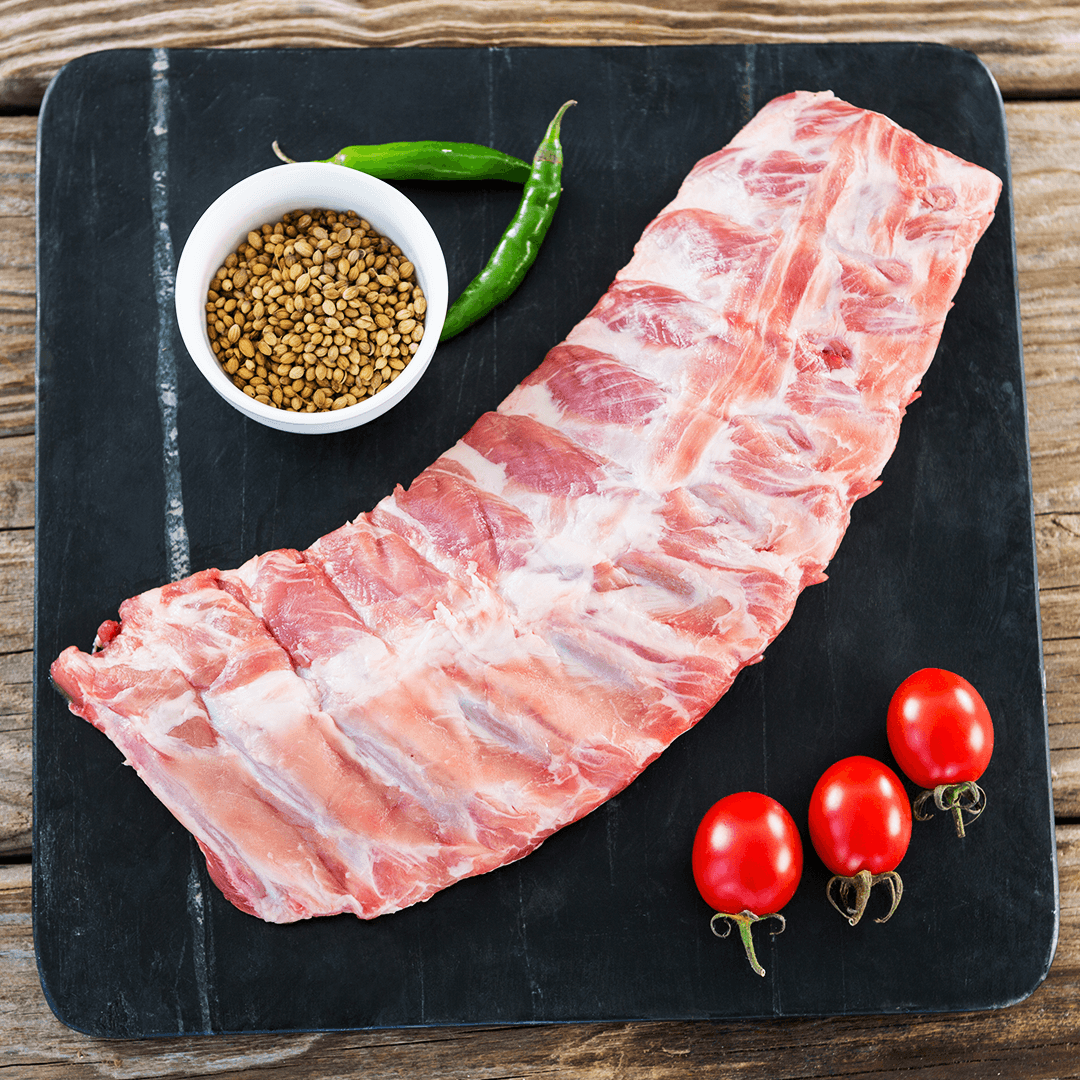
Beef Rib Types and Tips
Types of Beef RibsBeef ribs are the least known and under-appreciated cuts of meat. They’re super rich, and drenched full of flavor and are fairly easy to prepare and cook. Baby Back Beef RibsBeef back ribs are large, you may even have heard them referred to as dinosaur ribs. They are the large bones not […]
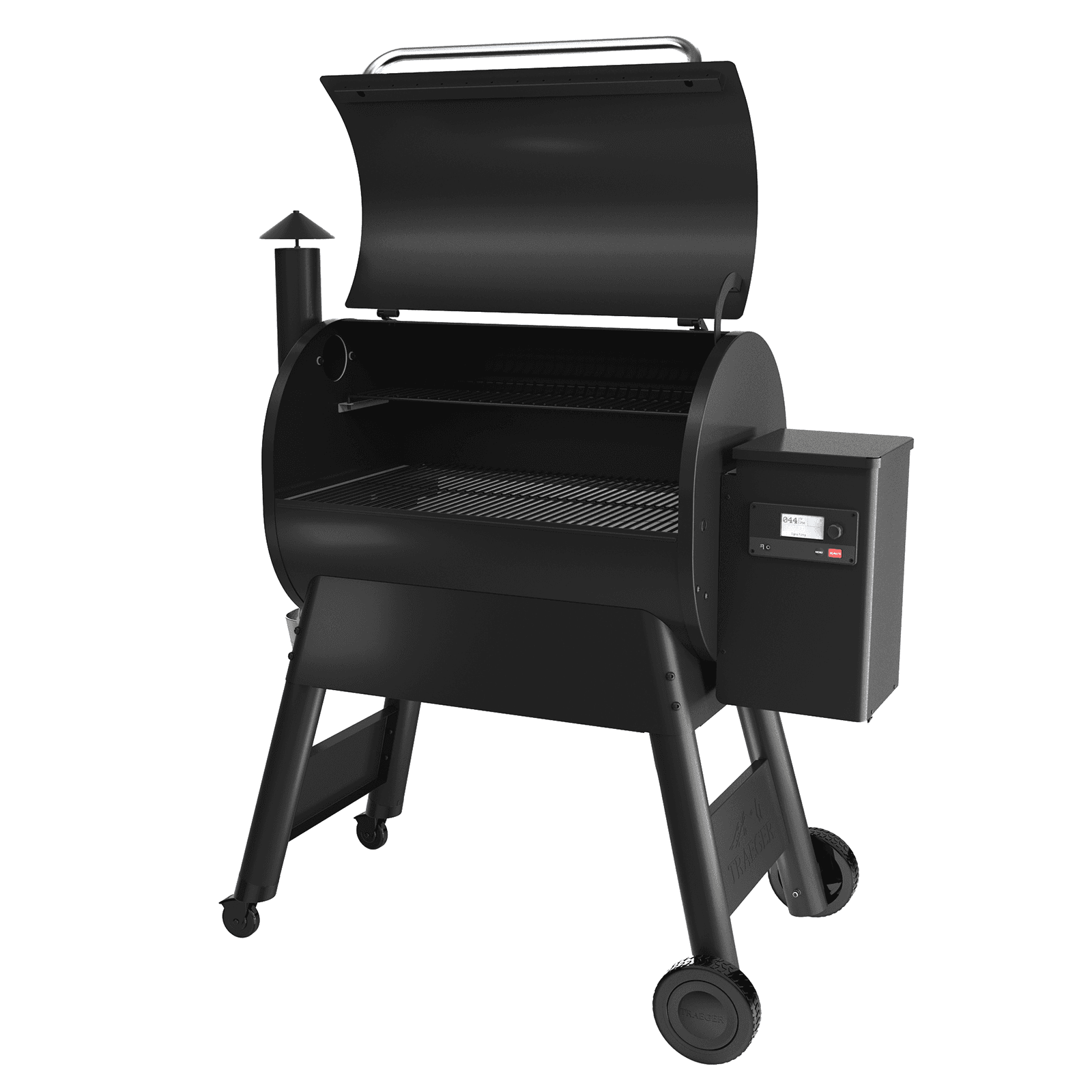
Traeger Pro 780 – Review – BBQ Concepts
BBQ Concepts is the Las Vegas expert on outdoor kitchens, barbecue grills, and smokers. We are excited to review some of the details about the new Traeger Pro 780 Wood Pellet Grill.